
Nullam dignissim, ante scelerisque the is euismod fermentum odio sem semper the is erat, a feugiat leo urna eget eros. Duis Aenean a imperdiet risus.
Contact Info
-
Mod-friday, 09am -05pm
Your Website Has Five Seconds. Make Them Count.
Think about the last time you landed on a website you’d never visited before. You probably didn’t read anything. You glanced, scrolled a little, and decided whether to stay or hit the back button.
Your visitors do the same thing. And in those first few seconds, they’re really only trying to answer three questions.
1. Am I in the right place?
The top of your homepage should say what you do in plain words. Not a slogan, not a clever line that needs explaining. If someone has to scroll to figure out whether you sell furniture or fix plumbing, a lot of them won’t scroll.
A simple test: show your homepage to a friend for five seconds, then close it. Ask them what the business does. If they can’t tell you, the headline needs work.
2. Can I trust this?
People look for small signals before they give you their time or money. A clean design helps. So do real photos instead of obvious stock images, a visible phone number or address, and examples of your actual work.
What hurts trust is just as important. Broken links, a copyright date from four years ago, blurry images and pages that say “coming soon” all send the same message: nobody’s looking after this.
3. What do I do next?
Every page should have one clear next step. Call us, book a consultation, see the menu, shop the collection. When a page has six buttons all shouting for attention, people often pick none of them.
Speed matters more than fancy effects
A beautiful site that takes eight seconds to load is losing visitors before they ever see it. This is especially true on phones, where most of your traffic probably comes from.
The usual culprits are huge images, too many plugins, and animations that look great on a fast laptop but crawl on an older phone. Compress your images, remove what you don’t use, and test your site on a real mobile connection, not just your office Wi-Fi.
Design for the phone first
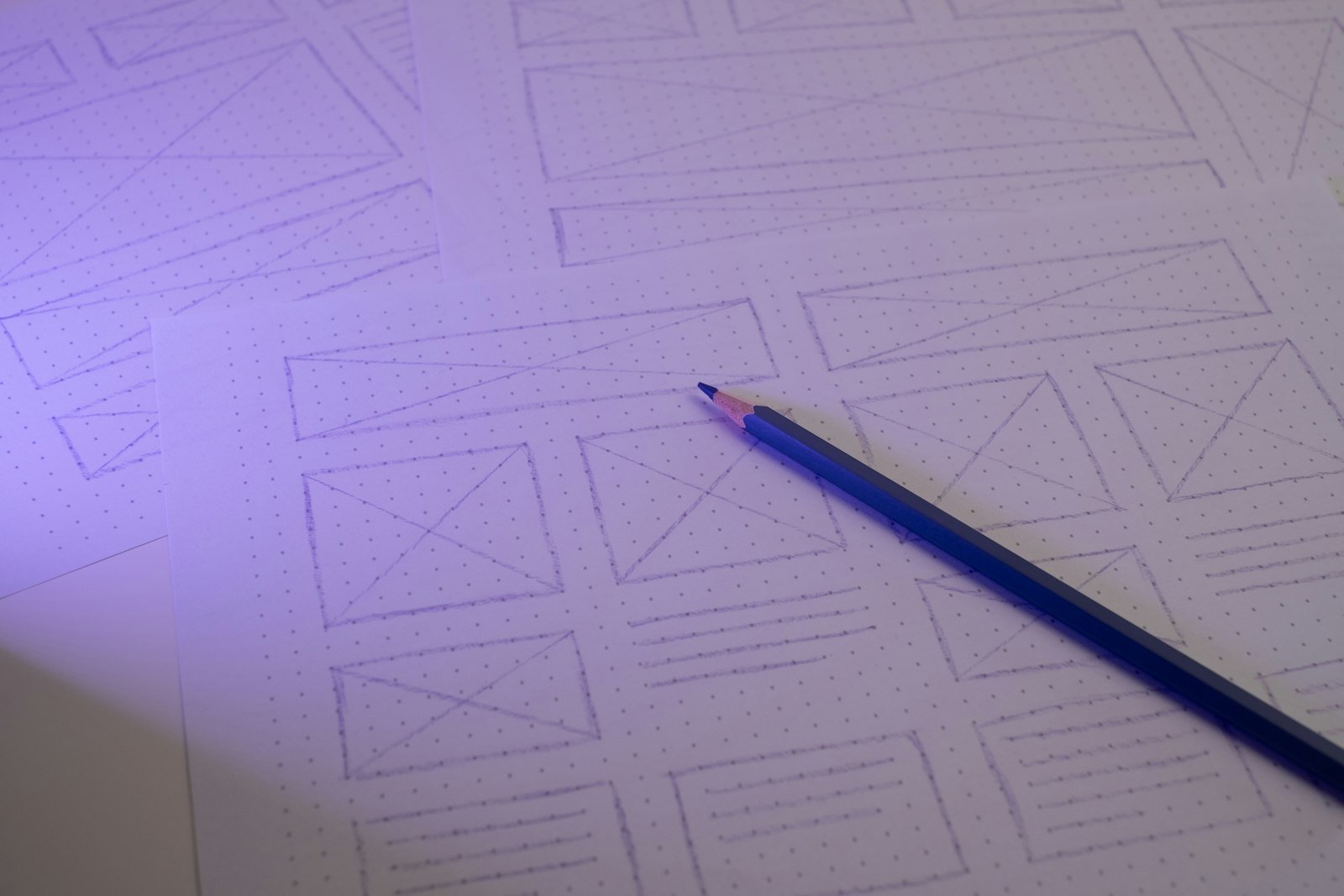
We start most website projects by designing the mobile version first. It forces good decisions. When you only have a narrow screen, you have to decide what really matters, and that clarity usually makes the desktop version better too.
Keep it easy to update
The best website is one you’ll actually keep up to date. If changing a price or adding a new project means emailing a developer and waiting a week, it probably won’t happen. Make sure whoever builds your site sets it up so your team can handle everyday updates on their own.
The short version
Say what you do clearly. Look like someone people can trust. Make the next step obvious. Load fast. Everything else is decoration.

Fix These Before You Spend on Google Ads
- October 7, 2026

Your Website Has Five Seconds. Make Them Count.
- October 7, 2026

Posting Every Day Won’t Fix Your Social Media
- October 7, 2026

8 Things to Check Before Your Store Launches
- October 7, 2026